
Everest Base Camp Trek Preparation
Everest Base Camp Trek preparation is a must, should you consider embarking on this 12-day adventurous trek in the Himalayas. It’s an extreme elevation trek that demands trekkers to be physically fit, wear appropriate clothing and gear, maintain safety, and practice proper backpacking. Thus, as an adventurer on Everest, you must be ready to take up the challenge. And for this, to prepare yourself, a thorough trek preparation guide is a must. This blog offers a comprehensive prep guide.
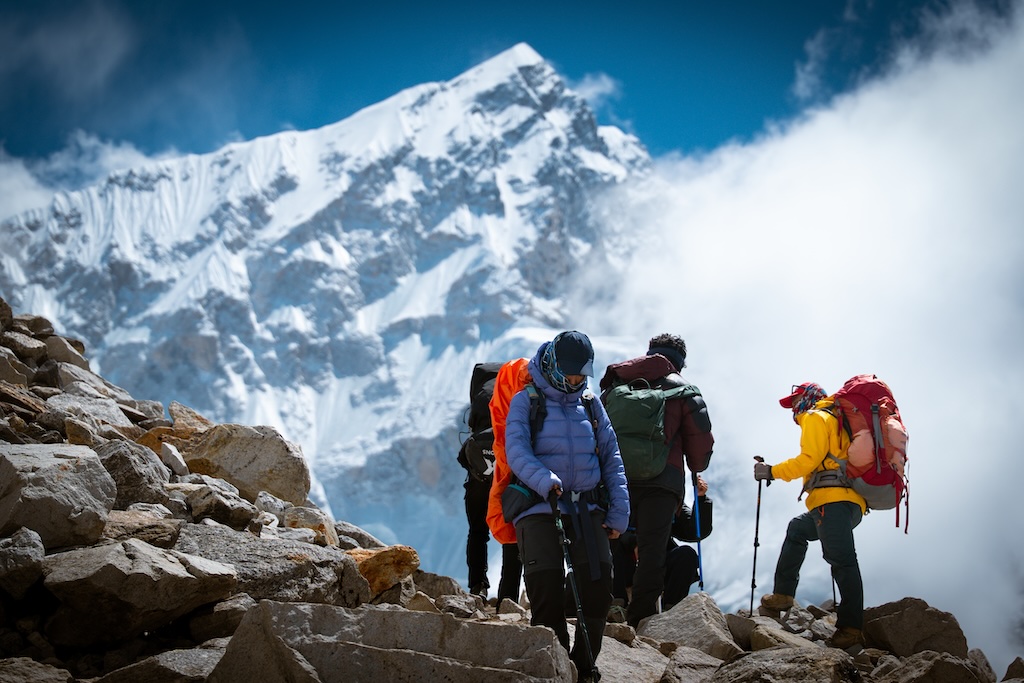
One thing is obvious: Everest Base Camp Trek 12 days is an easy and demanding trek. On this trek, most sections along the route are moderate, which makes it comfortable. However, the few demanding sections, above 4,700 meters elevation, are where trekkers catch altitude sickness, lose their confidence, develop fatigue, and experience physical issues. Thus, the trek preparation guide provides the ideas and ways to approach the demanding sections, overcome the difficulty, and complete the trek.
Understand the Everest Base Camp Trek Route
The standard Everest Trek itinerary is 12 days from Kathmandu. You’ll take a flight from Kathmandu/Manthali to Lukla, trek for 8 days to the base camp, and return to Lukla in 3 days, and fly back from Lukla to Manthali/Kathmandu.
Understanding the trek route ideally involves a comprehensive learning of the length and elevation profile of the route, rest and acclimatization days, popular landmarks, route gradient, etc.
These days, you can download the offline trek route on your mobile phone rather than printed maps. Try Maps.me, a free GPS-enabled offline map to learn more about the Everest trek route.
You can watch our Everest Base Camp Trek walkthrough video to learn more about the route, visually.
Physical Fitness: A must!
Everest Base Camp isn’t a technical trek. However, the 12-day itinerary and extreme elevation demands physical fitness. You must have adequate stamina to walk 5-6 hours each day over high-altitude terrain. Moreover, you must be efficient in breathing with cardio exercises such as hiking, jogging, stair climbing, and running.
We recommend that you start working on your fitness at least 2 months before joining the trek.
Here’s what you can practice to build your stamina, cardio, and leg strength.
- Carry a medium-weight backpack during the regular hikes
- Try to gain some elevation and embark on long hikes during weekends or whenever possible
Acclimatization: Don’t miss it!
Acclimatization is key to completing the Everest Base Camp Trek. Journey to Everest Base Camp is an extreme elevation trek and thus requires at least two acclimatization stops en route. The primary purpose is to achieve significant altitude adaptation and prevent altitude sickness.
Acclimatization allows your body to adapt to the high altitude, rest, and recharge.
Typically, trekkers acclimate to the altitude in Namche Bazaar and Dingboche each day.
While acclimating at Namche, trekkers hike to Hotel Everest View in Syangboche, at 3,880 meters. Likewise, trekkers acclimatizing in Dingboche hike to Chhukung and Nangkartshang Peak at 4,900 meters.
Hiking up to these elevations, returning to the lower elevations, and spending overnight follows the hike up, sleep low principle. Doing this, your body gets used to the elevation you’ll be trekking to the next day.
Pro tip
- Hike up, sleep low
- Take a rest day seriously
- Rehydrate and get adequate sleep
- Consider consuming Diamox (acetazolamide), a drug to prevent altitude sickness
Packing List for Everest Base Camp Trek
Backpacking is another crucial element to look for in Everest Base Camp Trek preparation. Pack light but don’t miss out on the most essential trekking gear and clothing. Should you trek with an agency like us, we’ll provide a trek porter to carry your backpack of 12-13 kg. Thus, you can pack the essentials that you’ll need for 12 days. Also, pack the fitting stuff depending on when you intend to trek.
Layering is a must rather than wearing thick jackets and hoodies. Moreover, you’ll need a decent trekking boot, down jacket, sleeping bag, wind-proof jacket, and more.
For a comprehensive idea on what to bring, we suggest you read our Packing List for Everest Base Camp Trek blog. We’ve listed the trekking gear and backpacking gear you must have depending on when you trek. However, here’s an overview of the packing list for the Everest Base Camp Trek in general:
- Down jacket and Sleeping bag (-10 ˚C rating)
- Waterproof trekking boots and flip flops (for tea house stay)
- Thermal base layers and fleece
- Trekking poles, gloves, beanie, sunglasses, sunscreen
- T-shirts, shorts, socks, water bottle, trekking pants
- First aid kit, water purification tablets, and snacks
- Power bank, headlamp, passport, and trek permits
Best Time for Everest Base Camp Trek: Perfect weather matters!
You can trek to Everest at any time of the year. However, in the end, your trek experience matters the most. It makes a difference whether you trek on a clear weather day with spectacular mountain sights or walk in rain and snow. It matters the most if you see Sagarmatha (Mt. Everest), or not! Thus, finding the perfect time of year for this trek is crucial for trek preparation.
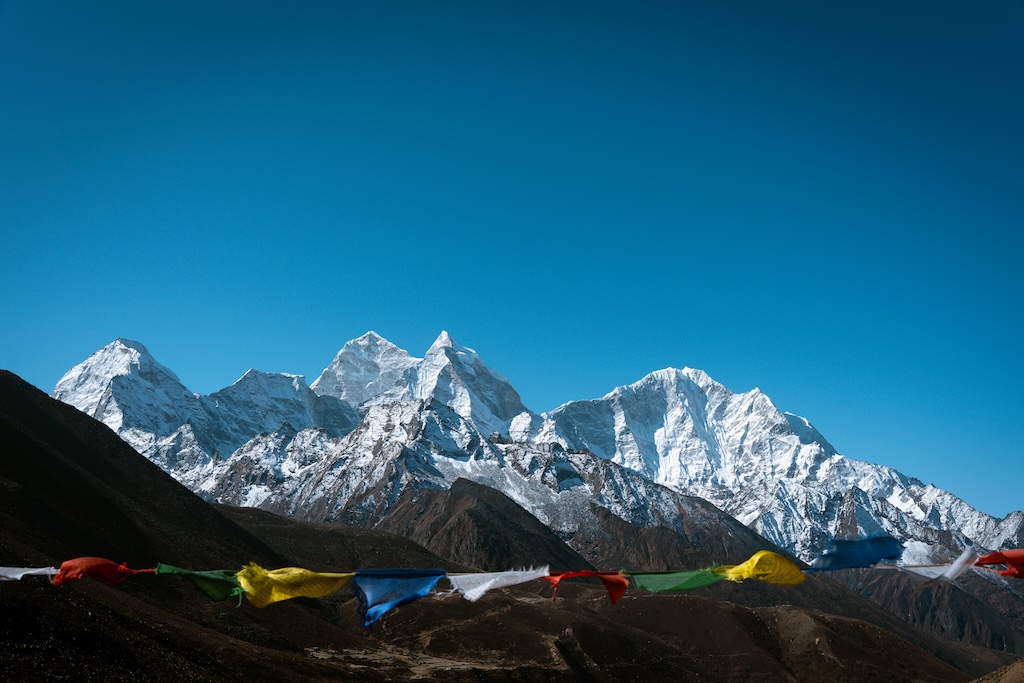
March and April are two beautiful Spring months when most trekkers plan their Everest region treks, including the base camp, Gokyo Lakes Trek, and Everest Three Passes Trek. The weather during these months is spectacular. Moreover, the mountains get covered with thick snow in winter, which makes them elegant and appealing. The clear skies, stable weather, gentle temperature, and rain-free days make March and April the best time. Trekkers even trek here in May and June, but these months are warm with frequent rainfall.
September often gets rainy and causes the flights to Lukla to be canceled. Thus, you may find it challenging to get into and out of Lukla due to the infrequent flights. However, should you consider flying on a helicopter from Kathmandu to Lukla, September can be an excellent month. With occasional rain, the freshness, lush and green landscape, and fewer trekkers en route, you’ll have the best time in Everest.
Autumn months are the best time of the year for trekking to Everest Base Camp and other regions in the Everest region. Particularly, October and November are the busiest months as trekkers flood in due to excellent weather conditions. The weather is stable like never before, with rain-free days, less humidity, and unobstructed mountain views, making these months a perfect time for the trek. You’ll experience all the picturesque sunrises and sunsets over the Himalayas throughout the 12-day trek.
Get your trek permits
As a trekker in the Everest region, you’ll need two trek permits. The Sagarmatha National Park entry permit and Khumbu Pasang Lhamu Rural Municipality permit are two essential permits you must have to trek to Everest Base Camp.
Should you plan Everest Base Camp with us, we’ll purchase these permits, included in the trek cost. However, for individual or solo trekkers, the entry permits are available at the checkpost in Lukla and Monjo.
Learn more about the Everest trek permits in this blog.
Guided Vs. Solo Trek- Which one to opt?
Another crucial thing to be aware of, Everest Base Camp Trek preparation, is the style of doing the trek. You can either choose a trekking agency or go solo, all on your own.
If you can afford a guided Everest Base Camp Trek, go for it. It’s the safest and easiest way to do this trek. However, if you’re on a budget and can manage the logistics such as trek permits, accommodation, meals, flight tickets, transportation, and all, try doing it solo. Good news: Everest Base Camp Solo Trek is doable in 2025.
Guided trek to Everest provides you with utmost comfort in managing everything. Doing the trek this way, all you need to do is carry the backpack and trek, stop at a tea house, sleep, and repeat. The agency you booked this trek with manages flights, transportation, provides a trek porter to carry your backpack, gets you a helicopter for rescue, and more. And because of the inclusive trek, the cost ranges between USD 1500-1700 for an individual and less, should you come in a group.
Everest Base Camp Solo Trek can be fun and adventurous, as you can trek at your own pace. It gives you the freedom on what to eat, where to stay, acclimate more, create your itinerary, etc. However, if it’s your first extreme elevation trek, managing the trek logistics won’t be easy.
You may need to take a drive to Manthali airport (in April, May, October, and November), look for a trek porter if hiring one, book the tea houses, etc. Managing all these things won’t be easy for a novice trekker. Moreover, the risk of altitude sickness and injuries is there, too. Thus, trekking solo can be problematic if you come across emergencies.
Meals and Accommodation
Everest Base Camp Trek is an established trek. Thus, most of the tea houses along the route offer luxurious accommodation and quality meals. The availability of the best accommodation and meals is also why most trekkers prefer this trek.
You’ll find almost every meal you used to eat back home. French toast, scrambled egg, toast, jam and honey, butter, fruits, pizza, pasta, spaghetti, sandwiches, fries, noodles, you name it. You will get savoury meals throughout the trek.
A few things you must be well aware of:
- The meals are expensive at higher elevations
- The meal choices often get limited
- Dal Bhat and vegetables are the most reliable and complete meal
- Some days are quite long and thus, carry snacks
- Avoid eating meat at higher elevations
Throughout the trek, you’ll stay in the tea houses, which are typically lodges. You’ll get a shared room with an attached bathroom upon availability. The tea houses aren’t heated but provide warm beds and clean blankets. At places like Lukla, Namche, and Dingboche, you’ll have the option of opting for a heated blanket, as well.
Travel Insurance: A must!
If you’re planning and preparing for the Everest Base Camp Trek, don’t miss out on getting travel insurance with helicopter rescue coverage. It’s an extreme elevation trek with associated risks like altitude sickness and other injuries.
You need to get the helicopter rescue coverage up to 5,700 meters altitude. Doing so, if you get altitude sickness or injuries, you’ll be able to get a helicopter rescue on time and fly back to the hospital in Kathmandu. Moreover, having travel insurance, you’ll save at least $5k on the rescue fee.
Mostly, trekkers buy their insurance from World Nomads, SafetyWing, or TrueTraveller. These insurance offers a helicopter search and rescue for the adventurers.
Kathmandu to Lukla Flights & Buffer Days
Everest Base Camp Trek starts with a flight from Kathmandu to Lukla (in September, March) and from Manthali (October, November, December, April, and May). Thus, every trekker flies to Lukla first and then starts the trek.
The flight time to Lukla is 25-30 minutes.
Lukla sits at 2,860 meters. Here, the flights operate when the weather is 100% clear. Thus, you must expect some flight delays (on a clear weather day) and cancellations (on a foggy weather).
In recent years, the unusual weather change in March and April has caused flight cancellations for weeks. Moreover, the unexpected rainfall at the end of September and even in October has caused flight issues.
We recommend allocating at least two buffer days in the Everest Base Camp Trek preparation plan. It helps you to wait for the flight due to delays and cancellations. In the worst-case scenario, prepare yourself for the helicopter flight to and from Lukla.
Trek Etiquette and Mental Preparations for Everest Base Camp Trek
More than physical fitness, you must be emotionally and mentally prepared for 12 a long trek. It won’t be easy as the evening gets cold, days get windy, rainy, and even snowy. In addition, you’ll be fatigued, sunburned, and drained.
Thus, to overcome these, you must be mentally rigid. You must accept the unexpected. You must give up the comfort for 12 days and embrace the grandeur and beauty of the Himalayas, its people, and their culture.
The second most important thing you must be aware of as a trekker in the Everest region is maintaining the etiquette. Here are some steps that must be practiced during the Everest Base Camp Trek:
- Respect local culture & prayer flags/stupas
- Don’t litter (carry your trash)
- Greet locals with a friendly “Namaste”
Stay Connected
All the tea houses along the trek provide WiFi. However, it’s free up to Namche Bazaar.
After Namche Bazaar, you must purchase WiFi cards at the tea houses. The WiFi cards cost USD 7 (24 hours) and USD 15 (48 hours). Likewise, the electricity recharge is free until Namche, and after Namche, you must pay USD 10.
Note: The Nepali SIM Card works till Dingboche. Ncell and NTC both have a network tower in Dingboche. However, you may not get the 4G connection despite having the network.
Tip: Get WiFi cards during acclimatization day. Carry the power bank to recharge your mobile devices.
Travellers Review
The reviews below are from our clients who did wholesome trekking and tours in Nepal with us. All the reviews here reflect how we run the trekking, treat our clients, and organize the trek and tours. Below listed reviews are from TripAdvisor, which is the most accurate and trusted review platform among travellers.
Have a read at what our clients say about us!!
