

To the point, the Langtang Valley Trek is an absolute adventure in Nepal for beginners. The spectacular mountain panoramas, sacred freshwater lakes, welcoming Tamang people, moderate trails, and peaceful meadows provide an amazing introduction to trekking in Nepal, without prior trek experience.
Many aspiring trekkers planning their maiden adventures in Nepal consider it to be intimidating. Various factors, such as high altitude, trek distances, rugged trails, wind, and freezing temperatures, seem to add challenges. But that’s not how it is.
Any treks in Langtang Valley are absolutely ideal for beginners and don’t require previous trekking experience or mountaineering skills.
Okay. So, can everyone embark on the Langtang trek? Well, the answer is no. Those with adequate trek preparations and sound physical fitness find this trek doable. And the rest struggle, often abort the trek midway.
This blog is for novice trekkers, if you’re one. You’ll find a comprehensive guide on a wide array of elements that go into trekking. By the end of this blog, you’ll have a good knowledge of the Langtang Region and decide whether it’s for you or not.
Is the Langtang Valley Trek ideal for Novices?
For long, Langtang Valley Trek has become a popular trek for beginners in Nepal. Rated moderately difficult, trekking here for 7-10 days offers an authentic Himalayan experience with a bit of sweat, fatigue, and a whole lot of adventure.
The highest elevation you’ll reach in the Langtang Valley Trek is Kyanjin Gompa at 3,870 meters. This is significantly lower compared to the Everest Base Camp Trek and the Annapurna Circuit Trek, by almost 1,500 meters.
And on high-altitude terrain, the elevations make a significant difference in how you trek. Here, Langtang’s lower elevation is ideal for beginners.
Here are some factors on why you’ll love trekking to Langtang Valley.
- Most treks in the region are short, 7-10 days
- Gradual elevation gain, from a lower elevation
- Moderate grade trek with very few steep ascents
- No extremely high mountain passes, except Ganja La, which very few embark on
- Near Kathmandu, accessible by overland drive, no need for domestic flights
- Significantly less crowded than other popular treks in Nepal
The trek begins in the lower-elevation town of Syabrubesi, winding up through stunning landscapes, forests, river shores, and Tamang villages. From Langtang village, the dramatic mountains and landscape leave you in awe.
You’ll find the Langtang Valley Trek doable if you can:
- continuous uphill walk for an hour or two without needing a significant break (other than rehydration)
- climb a few flights of stairs without running out of breath
- train on cardio and endurance for a few days a week for two months prior to to the trek (at least)
Despite preparing for the trek, a few adventurers fail to complete the trek.
Here’s why:
- uneven pacing
- poor rehydration and nutrition
- skip rest and acclimatization (if needed)
- underestimate the elevation, weather, and trek plan
In the mountains, those who trek slowly and steadily are bound to reach the destination without significant strain.
Langtang doesn’t ask for mountaineering skills or previous trek experience. It demands patience, planning, and a strong mindset.
How difficult is Langtang Valley Trek for beginners?
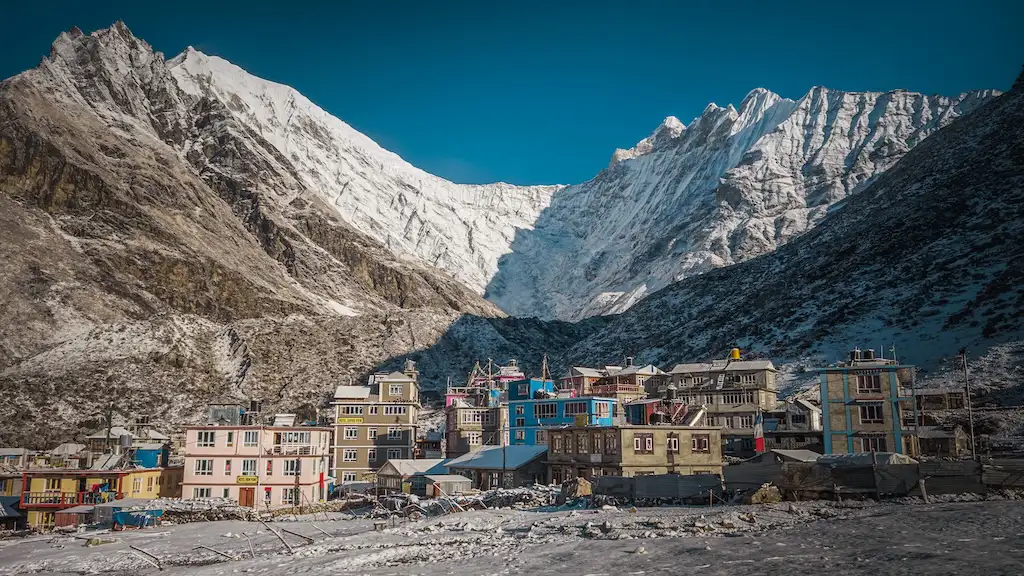
Langtang Valley Trek is moderately difficult, meaning that trekkers with proper physical fitness can complete this trek. There are very few uphill ascents and more straightforward trail sections. Through the forest and river shores, beneath the Langtang Lirung, and along the Tamang villages, you’ll trek in Langtang.
A brief breakdown of the trek to make understanding easier.
Walking Distance and Time
Langtang Valley Trek distance, starting from Syabrubesi to Kyanjin Gompa, trekking to Tsergo Ri (optional), and back to Syabru, is 80-85 kilometers. Most trekkers prefer a 7 to 8-day trek itinerary. With this itinerary, the average daily walking distance is 10-12 kilometers. 6-7 hours is the usual trek time each day.
Leaving Syabrubesi, the sharp ascents are at Rimche, Pairo, and Kyanjin Ri. The rest of the trail ascends gradually. The higher elevations in Langtang Valley are less steep than the lower elevations.
With very few steep and demanding sections, trekking here won’t be arduous for beginner trekkers.
Trail Conditions
The trekking route to Langtang and Kyanjin is straightforward with proper trail marking, danger signs, and elevation boards. This makes your trekking easier, even for solo trekkers, who find it helpful.
Here’s what to expect on the trail:
- uneven rocky patches in most areas
- route winding up via rhododendron and pine forest
- suspension and wooden bridges
- along the river shore or following the path of the river
- high-altitude terrain, less rugged, more scenic
For beginners, these aren’t demanding, but elevating. All you need is the best quality trekking boots to lessen the strain on your knees and ankles. An efficient breathing lung prevents altitude sickness. And guided by our amazing team, you’ll navigate through the wholesome trail to Langtang and Kyanjin.
Elevation Effect
Kyanjin Ri is the highest human settlement in Langtang Valley is Kyanin Gompa, which sits at 3,870 meters. Trekkers accommodate here for a night or two, depending on their trek itinerary. Any further elevations are the hiking destinations. Trekkers prefer the viewpoint hike to Kyanjin Ri at 4,773 meters and Tsergo Ri at 4,984 meters.
Trekking to Kyanjin Gompa isn’t demanding. The elevation is below 4,000 meters, and the routes aren’t steeper or trickier. Said this, at times, the thin air can slow trekkers a bit, but not significantly.
Some trekkers experience mild altitude sickness signs, such as headache and vomiting. However, most trekkers complete this trek without major issues.
Tips to survive the elevation:
- Plenty of fluid intake (with Oral Rehydration Salt)
- Steady-paced walk
- Ample rest and acclimatization if needed
- Adequate trek preparation and physical fitness
No previous trek experience required!
Not at all. Having a trek experience is a bonus but not mandatory, which makes Langtang doable for most people.
Langtang Trek is perfect for aspiring trekkers seeking a maiden not-so-difficult Himalayan adventure in Nepal. You don’t need any climbing or mountaineering skills. Instead, you’ll need decent physical fitness to trek 10-12 km, 6-7 hours each day, without significant strain.
Over the years, we’ve guided numerous novice trekkers to Langtang Valley with 100% completion rates. They weren’t technically sound. Rather, they were physically fit, having trained for at least two months prior to the trek and maintained their consistency throughout the journey.
What makes Langtang Valley a beginner’s trek destination?
Short and sweet, the Langtang Valley Trek isn’t difficult, ideal for novice adventurers.
Here are some amazing points that make it a beginner trek.
Trek Distance & Duration
Kathmandu-Syabrubesi-Kyanjin-Syabrubesi-Kathmandu completes comfortably in 7 days. Langtang Gosaikunda Trek in the region with a longer itinerary, is doable within 10 days.
The trek distance, the entire route, is between 80 and 110 km.
Trekking this distance over 7-10 days, is 12-15 km each day, which is very manageable and doable.
This, compared to other treks in Nepal, is significantly less, both in terms of itinerary and distance. For example, the Annapurna Circuit Trek takes 12-14 days, with a distance of 160-230 km. Likewise, the Everest Region Trek, which most beginners trek to, can take 12-18 days, with distances of over 180-220 km.
Gradual Elevation Gain
Langtang’s gradual elevation gain makes it ideal for beginners for two key reasons:
- Low chance of altitude sickness
- Lesser fatigue and strain
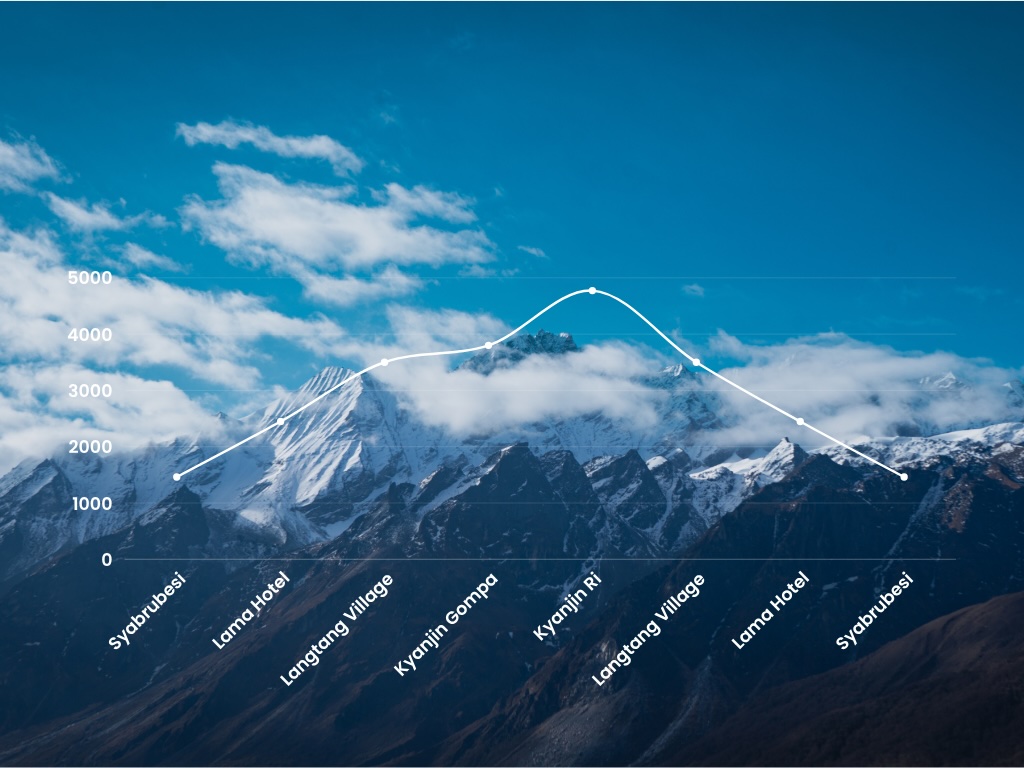
The trek begins with a drive from Kathmandu to Syabrubesi (1,462 meters). From here, trekkers trek to Lama Hotel at 2,447 meters, Langtang Village at 3,430 meters, and Kyanjin Gompa at 3,870 meters. Considering the elevation differences each day, every day’s elevation difference isn’t significant enough to lead to discomfort and altitude sickness.
The steady, gradual elevation gain allows acclimatization without a dedicated acclimatization or rest day. Additionally, the highest overnight is at Kyanjin Gompa, below 4,000 meters.
Considering all these, beginners don’t find Langtang Valley Trek demanding.
Comfortable accommodations at tea houses
Tea houses on the trek are lodges run by local owners. In Langtang Valley, there are amazing lodges that provide quality and comfortable accommodations.
After trekking for 6-7 hours, you’ll need a comfortable place to stay. The lodges in Langtang offer quality accommodation, providing a comfortable overnight stay.
Every tea house provides a hot water shower, wifi, and electricity recharge (except for a few places). The twin bedroom at most places comes with an attached toilet. The rooms the tea houses provide are clean and spacious.
Close to Kathmandu
Gateway to Langtang Valley is Syabrubesi, accessible via a 6-7-hour safe overland drive. This, in some ways, makes Langtang Valley Trek for beginners an absolute adventure.
First, no domestic flights are needed. Domestic flights in Nepal, especially for foreign nationals, are very expensive. And with no flights, the trek cost lowers by at least $200, making it affordable for most.
Second, the emergency evacuation. During emergencies, getting a helicopter rescue is prompt in Langtang. The aerial distance between Kyanjin and Kathmandu is 30-32 kilometers. This short distance makes the evacuation logistics prompt and affordable (if not backed by insurance).
Amazing mountains and culture of Langtang Valley
For beginners and all trekkers, the picturesque mountains and landscape of Langtang make it an absolute trip. Whether it’s a striking Gangchempo at sunset or Langtang Lirung at sunrise, the mountain views remain elevated. Tsergo Ri and Kyanjin Ri are two amazing vantage points with a spectacular mountain view.

Alongside the mountains are the Tamang people and their culture, which makes it a popular trek. The Langtang Valley is rich in culture, evident in Langtang, Kyanjin, and the sacred Gosaikunda Lake. Buddhism-influenced Tamang heritage is a unique experience trekkers encounter during their adventure in the region.
For a complete mountain and cultural experience, we suggest you trek to the Langtang and Gosaikunda Lake. It’s also a beginner-friendly trek, just two more days in the itinerary of the Langtang Valley Trek.
Challenges for beginners in the Langtang Valley Trek
Being a beginner-friendly adventure doesn’t mean that Langtang Valley shows mercy to novices. The long walking distances, freezing cold, wind, and basic accommodations test trekkers at times. Physical and mental preparedness are a must for everyone planning their maiden Himalayan adventure in Langtang.
Here’s how trekkers find trekking to Langtang demanding at times.
Elevation Effect
While trekking at higher elevations, above 3000 meters, the air gets thinner. And trekking in a region with thin air, the body starts reacting in ways.
You’ll feel:
- Mild headaches
- Slowed pace
- Increased breathing while ascending
- Less appetite
Mind you, these aren’t altitude sickness symptoms. Everyone over 3,000 meters in elevation, except locals, experiences some of these reactions, which is obvious in thin air.
These reactions, if ignored, can lead to altitude sickness. Here’s what you should practice once you start trekking above 3,000 meters.
- Don’t panic, don’t overthink, take it easy.
- Rehydrate and eat adequate meals.
- Don’t rush; keep a steady, slow-paced walk.
- Stop frequently, catch your breath, rehydrate, and resume the trek.
- Request for acclimatization stop at Langtang or Kyanjin if needed
Cold Temperatures
Mornings and evenings at higher elevations in Spring and Autumn get chillier. Winter remains freezing cold. And in summer, it gets warm, even at the higher elevations.
We recommend you bring warm gloves, a beanie, and a down jacket to stay warm during mornings and evenings.
The tea houses aren’t heated, and neither are the rooms. So, a sleeping bag is a must for extra warm and cosy sleep. The dining room at the tea houses gets warm as the tea houses make a fire in an oven. This, for a few hours, makes you cosy and warm at higher elevations.
- Pack essential clothes according to the temperature.
Decent Accommodations throughout the trek
You’ll stay in the tea houses throughout the trek in Langtang. They provide comfortable accommodation with amenities such as WiFi, electricity, and a hot shower.
You’ll stay in the tea houses throughout the trek in Langtang. They provide comfortable accommodation with amenities such as WiFi, electricity, and a hot shower.
You won’t find luxury in Langtang Valley. But, here’s what we promise you with:
- Twin bedrooms with attached bathroom (at Langtang and Kyanjin)
- Shared bathroom at most places
- Decent WiFi
- Hot showers at extra cost
- Electricity recharge at an extra cost
Whether it’s a twin bedroom, beds, bathroom and toilets, kitchen, and dining hall, every tea house maintains hygiene and safety.
Mental Preparedness: A must for beginners!
More than physical fitness is the mental preparedness to succeed on the trek.
For beginners, the Langtang Valley Trek is an amazing adventure in the Himalayas. While most focus on physical fitness, many overlook that success on this trek requires significant mental preparation. Accepting that adventure is different from the comfort of home helps prepare for the challenges ahead.
The challenges trekkers usually come across during the trek are:
- Patience with pacing
- Cosy comfort and luxury
- Stay flexible against the weather; detours are possible.
- Keeping your expectations low, not every day on the trek is Instagram-worthy.
- Team mindset: talk to the guide and porter frequently to get the tips and insights each day
- Positive mindset to enjoy the mountains, nature, and people, rather than complaining about the discomfort in the mountains.
- Learn about altitude effects; monitor how your body responds at higher elevations.
Should beginners hire a trekking guide for Langtang Valley Trek?
As a beginner trekker in the Himalayas, hiring a licensed trek guide is strongly recommended. Not because we are the trekking agency, but it’s for your safety, expert navigation, logistics, altitude awareness, and more. For many first-time trekkers, navigating the trek and organizing everything can be stressful. This ultimately leads to wrong decision-making, ruining the trek, and putting themselves at risk.
Local trekking guides make the trek easier by handling the stressful part of it. They navigate, prioritize safety, and manage logistics to make each day smoother and less stressful. They also share their insights on the people, culture, mountains, and the entire region. Their companionship throughout the journey makes it a meaningful adventure.
Trekking without a guide in Langtang
Experienced trekkers often trek without a guide. However, for beginner trekkers in Langtang, we strongly recommend hiring a trek guide from a local trekking agency. Embarking on a guided trek guarantees your safety, expert navigation, efficient logistics, and seamless coordination in a health emergency.
Some beginners trek to Langtang and complete the trek with a good note. However, not everyone can organize everything. Only those who’re capable can, and if you’re one and a beginner, you could complete the trek.
Langtang Valley Trek Preparations for Beginners
Langtang Valley Trek without prior trek experience is doable, but without being physically fit, it isn’t. An adequate trek preparation is essential if you plan to trek in Langtang.
Trekking to Langtang isn’t difficult, and it’s not a walk in the park, either. The trek doesn’t demand serious climbing skills or the physique of a bodybuilder. Instead, it requires efficient cardio and leg strength to trek for days.
Let’s explore how you can prepare for the Langtang Valley Trek as a beginner.
Building Physical Fitness (4-6 Weeks Before The Trek)
If you go to the gym, that’s great. And if not, that’s completely fine too.
A bit of regular physical exercise for at least 6-8 months before the trek is recommended. Cardio and endurance are important for the trek. And here’s how you can build physical fitness:
- Minimum two hours of walking 3-4 times a week
- Cardio exercises like running, cycling, or brisk walking
- Stair climbing in the gym that simulates the alpine walk
- For legs, Squats and Lunges are best.
These exercises prepare you for 5-7 hours of everyday walking. The entire trek gets less straining with decent physical fitness.
More than minimizing physical strain, these exercises also prevent altitude sickness. Efficient breathing is key to avoiding altitude sickness.
Planning to embark on adventures in Langtang? Start building physical fitness today!
Mental Preparations: Overlooked by many!
Physical exhaustion is obvious on adventures, and trekkers prepare to minimize it. However, most beginner trekkers overlook mental preparedness; many underestimate how crucial it is throughout the trek.
Despite being physically fit, trekkers break down during the trek. Or even if they complete, they still remain dubious throughout, trekking without mental peace at all.
Here’s what you’re signing for:
- Two bedrooms at the mountain lodges with basic accommodations and meals
- Freezing cold in the morning and evenings
- Wind, sunburn, rain showers, snow squalls, depending on the time you trek
- Slowed pace, increased breathing due to thin air at higher elevations
- Exposed to the risk of altitude sickness
- No luxury whatsoever for the entirety of the trek
Everything you’ll find in Langtang is decent to simple. If you’re expecting luxury and comfort, you’ll have a hard time throughout the trek. For luxury, you can embark on the Everest Base Camp Trek. But, while trekking, it is demanding.
Trekking with local trekking agency: A must
Local trekking agencies like NepTrek, us, specialize in Langtang Valley and almost every trek destination in Nepal. Our seasoned team of trek planners, guides, and porters led the trip with utmost trek and health safety.
Local trekking agencies organize the trek, manage logistics, coordinate during health emergencies, and prioritize your trek experience.
Despite the trek being doable solo, for beginner trekkers, whether it’s solo or in a group, trekking with a local trek agency is ideal. Everything will be organized in place, which reduces the stress of logistics, permits, navigation, and elevation challenges.
Trek Gears and Clothes: What to bring?
It’s obvious that beginner trekkers aren’t efficient backpackers. It’s because of no prior trek experience in the Himalayas.
Bringing too much gets heavy, and bringing less could be an issue. Winter gear gets too warm for summer, and summer clothes aren’t ideal for Autumn and Winter treks.
Hence, comprehensive information on backpacking is significant for smart packing.
The ideal way to backpack is to carry a base layer to minimize moisture, a mid-layer for warmth, and outer shells against wind and rain. This is for the lower and upper body.
Moisture-wicking merino wool is best for base layers. For mid-layer, fleece and light down jackets are highly recommended. And, for outer shell, Gore-Tex jackets and windbreakers are ideal.
For trekking pants, you must bring quick-dry and warm layers, thermal leggings, and waterproof pants.
A pair of quality waterproof, broken-in trekking boots and moisture-wicking socks are needed.
For comprehensive backpacking info, please contact us via WhatsApp or email. We’ll drop the backpacking list in the chat for your reference.
For beginners and seasoned trekkers who book the Langtang Valley Trek with us, we’ll provide a comprehensive backpacking list after the booking process is complete.
Realistic Expectations for First-Time Trekkers
This is what you, as a beginner trek, experience throughout the trek.
- The overland drive to Dhunche thrills you as the road progresses through the mid-hills and cliffs.
- The first day of the trek gets exciting as the trek is mostly along the Langtang River.
- The serene natural walk makes you feel like you’re in the right place.
- With occasional mountain views, you’ll trek with a high spirit.
- After a few days of trekking, at higher elevations, with cold and basic accommodations, you start questioning your decision of embarking the trek.
- Trekking at higher elevations makes you think about the comfort back home and how much you miss it.
- You’ll be at Kyanjin or Gosaikunda, where the mountains shine. This is when you feel accomplished, blessed, and proud of yourself.
- You want to stay at the lodge, watching mountains all day, sipping the black coffee, and curling up in the sleeping bag, beneath the mighty Langtang mountains.
Completing the trek, you’ll return to Kathmandu, leaving the mountains behind.
Find yourself mentally and physically sound, already dreaming of other amazing treks in Nepal.
Feel accomplished and naturally cleansed, serenity bound, and relaxed.
This is when you’ll feel like you’re missing the mountains already.
This is what the Langtang Valley Trek is all about. It introduces you to the amazing Himalayas, people, and culture. This sets the tone of your future adventures in Nepal.
Who shouldn’t trek to Langtang?
While Langtang Valley is a popular trekking destination for novice adventurers, not everyone should trek here. At NepTrek Adventures, we have a policy on who shouldn’t trek.
If you’re among:
- Person with existing knee and joint problems
- Chronic heart and lung issues
- Kids below 8 and seniors above 65 years old
- Pregnant women
Moreover, if you’re looking for luxury and comfort during the trek, this isn’t the one for you.
For a comprehensive idea on who shouldn’t trek, we encourage you to read our blog on Why Trekking Isn’t for Everyone.
For kids below 8 and seniors over 65 years, the Ghorepani Poon Hill Trek with Ghandruk can be less demanding than Langtang. It has everything, from amazing mountains views to culture, people, and nature.
Conclusion
The Langtang Valley Trek offers an amazing Himalayan adventure suitable for every trekker. Gosaikunda Lake, Kyanjin Gompa, Langtang Village, and Tsergo Ri are popular landmarks, with spectacular mountain views.
Alongside the mountains is the unblemished Tamang heritage, culture, and a sacred Gosaikunda Lake. These contribute to making this Himalayan adventure a culturally transformative journey as well.
The moderate-grade trek route, easily accessible from Kathmandu, affordability, and ultimate Himalayan experience make it an absolute trek for beginners.
Start planning your Langtang Valley Trek adventure now and experience the Himalayas firsthand. Reach out for expert guidance on your next trekking journey!